

Preventing water system pollution
TIIAME National Research
University operates a comprehensive, regulation-compliant system to protect its
water infrastructure from pollution. All procedures are aligned with the
national legal framework, including Law
O‘RQ-784 (2022) on drinking-water supply and wastewater
disposal, Cabinet Resolution VMQ-11
(2010) on the acceptance of wastewater into municipal sewers, as well as SHNQ
2.04.01-22 and QMQ
2.04.03-19, which set standards for internal and external water-supply
and drainage systems. These documents define permissible discharges, mandatory
pre-treatment requirements and institutional responsibilities for environmental
protection.
1. Control of
Laboratory Wastewater
All laboratories follow a
mandatory “Do-Not-Drain List”, established in accordance with VMQ-11 and
national sanitary regulations (SanPiN). This list prohibits discharge of:
Ø
concentrated acids and
alkalis
Ø
heavy-metal salts
Ø
organic solvents and
toxic reagents
Ø
oils, greases and
emulsions
Ø
biologically hazardous
materials
Chemical residues
generated during teaching and research are collected in certified containers
and transferred to licensed hazardous-waste operators, as required by
VMQ-11 §13 and Law O‘RQ-784, Article 22. Only neutralised and diluted
wastewater meeting sanitary norms is allowed into the internal sewer network.
To reinforce safety,
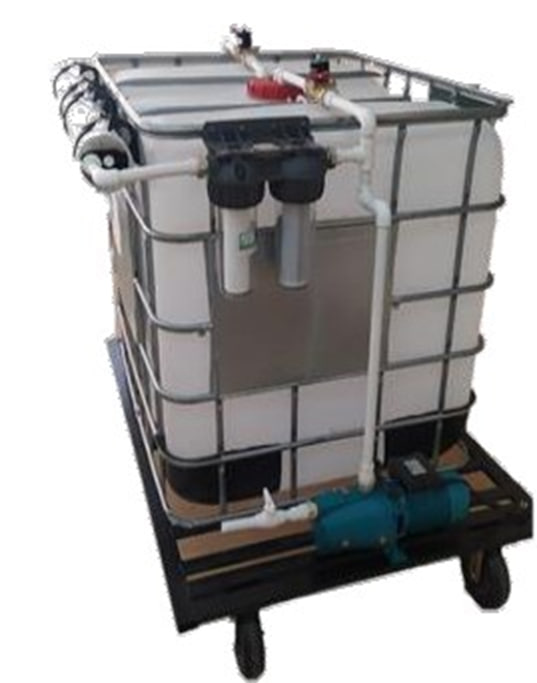
several laboratory blocks are equipped with NEUTRALIZE multi-stage compact
treatment units and electro-hydraulic disinfection devices developed
by TIIAME researchers (https://www.youtube.com/watch?v=MqDHTKPjPsU).
These systems use membrane filtration, UV irradiation, adsorption and
pulsed-electrical disinfection to reduce organic load, color, odor and
microbial contamination at the point of generation.
2. Kitchen and
Food-Service Wastewater Management
All kitchens, canteens
and food-service areas are fitted with grease traps in full compliance
with SHNQ 2.04.01-22 §9.1 and VMQ-11 §16.
Grease traps prevent
fats, oils and grease (FOG) from entering pipelines, and are maintained under a
scheduled service plan. Maintenance logs are kept for inspection and internal
audits.
Dishwashing units are
equipped with sediment strainers, and staff receive periodic training on safe
disposal of detergents, food waste and cleaning chemicals to prevent sewer
contamination.

3. Stormwater
Protection and Solid-Waste Control
The university’s
rainwater drainage network is designed in accordance with QMQ 2.04.03-19
§7.3, which requires the installation of protective structures at inlets
and channels. All stormwater inlets are equipped with:
Ø
sediment capture baskets
Ø
fine-mesh litter screens
Ø
periodic cleaning
protocols
These measures
significantly reduce the entry of plastic waste, organic debris and sediments
into stormwater lines and the surrounding environment. Car parks and
fuel-handling areas feature bunded containment, absorbent spill-kits and
emergency-response procedures defined by VMQ-11 §23.
4. IoT-Based
Real-Time Monitoring of the Water Network
To meet the monitoring
obligations of Law O‘RQ-784 (Article 28), TIIAME has deployed IoT-based
pressure and flow sensors designed by its own researchers. Initially
developed for smart-irrigation applications, these sensors now supervise the
potable-water and sewer system by:
Ø
detecting sudden pressure
drops
Ø
identifying leaks and
pipe failures early
Ø
monitoring abnormal flow
patterns
Ø
reducing water losses and
pollution risk
Sensor data is
transmitted to a cloud-based dashboard used by maintenance personnel for rapid
decision-making.

5. Field
Monitoring Using the Mobile Melioration Laboratory
The university’s mobile
melioration laboratory provides on-site sampling at:
Ø
drainage ditches
Ø
collectors
Ø
stormwater discharge
points
Ø
perimeter monitoring
zones
Water samples are
analysed for turbidity, TDS, nitrates, phosphates, pH, sulfate concentrations
and microbiological indicators. All measurements taken in 2024 remained within
the permissible limits of O‘zDSt 950:2011 and national environmental
regulations.
This laboratory-based
verification demonstrates that preventive measures are functioning effectively
and that no harmful substances are entering off-campus water bodies.

6. Advanced
Water-Quality Monitoring (O‘zDSt 950:2011 Standards)
In addition to structural
and operational controls, TIIAME carries out systematic monitoring of
potable-water quality. Regular tests include:
Ø physical
parameters: turbidity, transparency, color, odor
Ø chemical
indicators: pH, mineral composition, iron,
manganese, fluoride, oxidability
Ø microbiological
indicators: coliform bacteria and pathogen
presence
Table 1. Water
Quality Standards (O‘zDSt 950:2011)
|
Indicator |
Class 1 |
Class 2 |
Class 3 |
|
Turbidity (mg/L) |
≤ 1.5 |
≤ 1.5 |
≤ 10.0 |
|
Color (degrees) |
≤ 20 |
≤ 20 |
≤ 30 |
|
pH |
6–9 |
6–9 |
6–9 |
|
Iron (mg/L) |
≤ 0.3 |
≤ 5.0 |
≤ 10.0 |
|
Manganese (mg/L) |
≤ 0.1 |
≤ 1.0 |
≤ 2.0 |
|
Sulfides (mg/L) |
Absent |
Absent |
≤ 3.0 |
|
Fluoride (mg/L) |
≤ 0.7 |
≤ 0.7 |
≤ 5.0 |
|
Permanganate Oxidability (mg O2/L) |
≤ 2.0 |
≤ 5.0 |
≤ 10.0 |
|
Coliform Bacteria (per 1 L) |
≤ 3 |
≤ 100 |
≤ 1,000 |
All drinking-water
samples collected in 2024 fully complied with these standards.
7. Sustainable
Agricultural Practices to Prevent Off-Campus Water Pollution
As TIIAME maintains
educational and research fields in Uch-Xoz, sustainable agricultural practices
are used to prevent nutrient runoff and groundwater contamination:
Ø reduced
chemical fertilizer and pesticide use (organic agriculture principles)
Ø water-efficient
irrigation systems
Ø controlled
application of minerals and fertilizers
Ø monitoring
of drainage water quality
These practices limit
nitrate and phosphate pollution and protect both soil and surrounding water
bodies.
8. Educational and
Community Outreach Measures
To ensure long-term
water-system protection, the university implements extensive awareness and
educational programs:
Ø workshops
and seminars for students, staff and local communities
Ø student-led
research projects addressing water contamination issues
Ø training
sessions on preventing illegal discharge and chemical misuse
Ø interactive
laboratory demonstrations and field monitoring activities
By combining training,
applied research and community engagement, TIIAME strengthens a culture of
responsible water management on and off campus.