
Water-conscious planting
Recognizing
the arid climate and limited rainfall in Uzbekistan, TIIAME National Research
University has developed innovative landscaping practices to create a
sustainable and aesthetically appealing campus environment. By prioritizing
drought-tolerant and low-water-demanding plants, we align with our commitment
to sustainable development and responsible water use.
Key Principles
of Water-Conscious Landscaping
TIIAME National Research University designs its green
spaces with Uzbekistan’s arid climate in mind. By deliberately choosing plants
that thrive under low-water conditions, the university ensures that every litre
of water is used efficiently. This proactive approach not only responds to limited
rainfall and rising climate pressures, but also reflects TIIAME’s broader
commitment to sustainable development and responsible resource management.
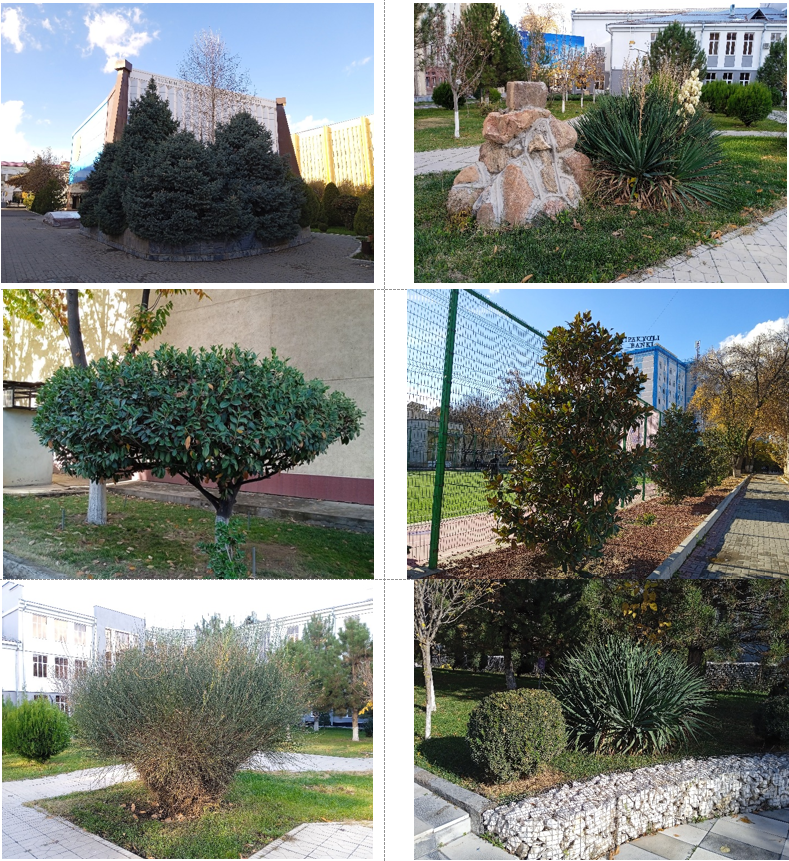
The campus hosts a rich variety of drought-tolerant
flora selected for both resilience and visual appeal. Sycamore trees are valued
for their adaptability and shade, while evergreen pine trees provide year-round
greenery with relatively low maintenance. Junipers, known for their hardiness
and low water demand, are well suited to the dry environment. Yucca plants add
a distinctive visual character to the landscape with minimal irrigation
requirements, and boxwood shrubs are widely used in decorative borders and
hedges, combining practicality with aesthetic structure.
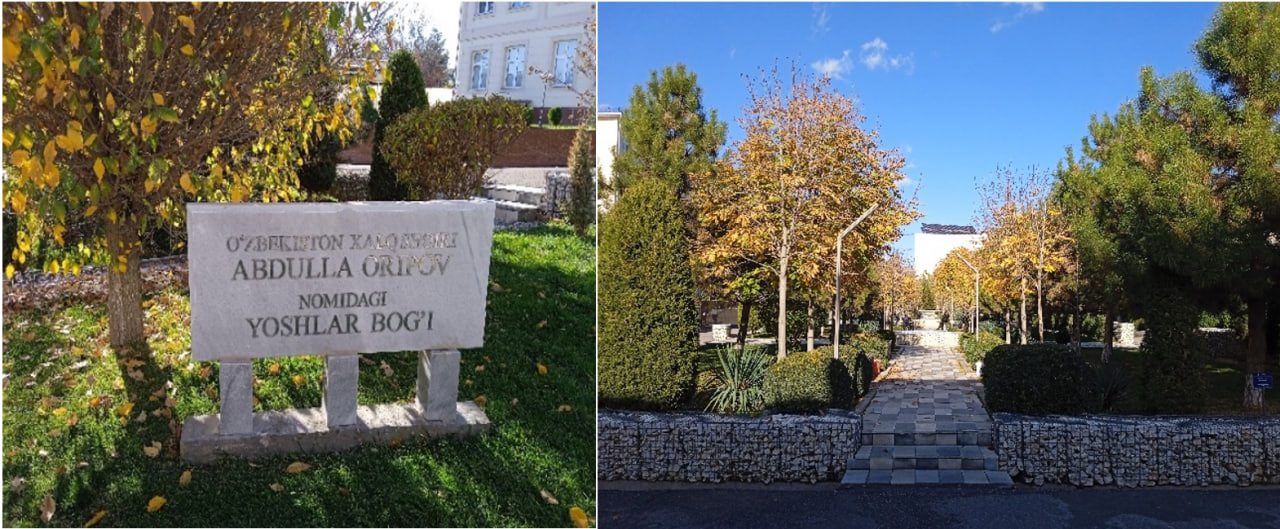
One of the most notable examples of sustainable landscaping is the Youth Park, named in honour of the renowned Uzbek national poet Abdulla Oripov. This park showcases water-conscious design, with drought-tolerant species arranged to create a calm, green, and environmentally responsible space. It serves as a popular area for students and staff to relax, reflect, and engage in informal discussions, reinforcing the link between environmental stewardship and campus life.
Across the university, green spaces in front of academic and administrative buildings are organised into separate sections, each assigned to a specific department. This system encourages active participation from staff and students, builds a sense of ownership over the shared environment, and helps ensure that gardens and planted areas receive regular, attentive care.

To support modern
and efficient plant management, TIIAME NRU has introduced a digital inventory
system. Each tree and plant on campus is equipped with a QR code, allowing for
quick access to information on species, age, health status, and maintenance
needs. This innovative solution streamlines monitoring, supports timely
interventions, and strengthens the university’s overall sustainability strategy
by linking green infrastructure with smart management tools.
Sustainable
Landscaping Practices
TIIAME National Research University integrates
sustainable landscaping practices to balance campus aesthetics with responsible
water use. Advanced irrigation techniques are applied to minimise unnecessary
water consumption while still safeguarding plant health. Irrigation is
carefully planned and adjusted to seasonal needs so that plants receive
sufficient moisture without over-watering.
A key element of this strategy is the intentional
selection of drought-tolerant plant species. By choosing flora that can thrive
with limited irrigation, the university reduces dependence on water-intensive
maintenance and promotes long-term ecological and operational sustainability.
These plant choices support a resilient green environment that is better
adapted to Uzbekistan’s arid climate.
Sustainability is further strengthened through active
community engagement. Faculty, students, and technical staff all contribute to
the care and maintenance of the campus landscape. This shared responsibility
not only keeps the green spaces well maintained, but also fosters environmental
awareness and a culture of stewardship across the university community.
Impact of
Water-Conscious Landscaping
Water-conscious
landscaping at TIIAME National Research University delivers meaningful and
measurable benefits. Through strategic plant selection and efficient irrigation
methods, the university significantly reduces overall water consumption,
ensuring that scarce water resources are used responsibly and sustainably. This
conservation-first approach is essential in Uzbekistan’s arid climate, where
every effort toward efficiency has long-term value.
Environmental
responsibility is another core outcome of these practices. By cultivating
drought-tolerant species and managing green areas thoughtfully, the university
supports biodiversity and strengthens the resilience of its campus ecosystem.
These efforts contribute to cleaner air, healthier soils, and a more balanced
natural environment within the urban setting of the university.
In addition to
functional advantages, water-conscious landscaping enhances the visual appeal
of the campus. The combination of resilient plants, well-maintained green
spaces, and thoughtful design creates an inviting and inspiring atmosphere for
students, staff, and visitors. The result is a campus environment that is both
beautiful and sustainable—demonstrating that aesthetics and environmental
stewardship can go hand in hand.
Examples of
Drought-Tolerant Plants at TIIAME
The campus of TIIAME National Research University
features a diverse collection of plants that thrive in arid conditions and
require minimal irrigation. These species were carefully selected to support
sustainable landscaping while maintaining an attractive and vibrant
environment.
Trees such as sycamore, pine, and juniper are widely
planted across the campus. These trees are known for their resilience,
evergreen character, and low maintenance needs, making them ideal for long-term
sustainability.
Shrubs like boxwood and yucca provide both decorative
structure and water efficiency. Their versatility and visual appeal enhance the
campus landscape while minimizing irrigation requirements.
Ornamental plants, including various seasonal
perennials, adapt well to the local climate and contribute colour and texture
throughout the year. Their low-water demand makes them suitable for
environmentally responsible campus design.
Together, these plant types demonstrate the university’s commitment to creating a green, attractive, and climate-resilient campus through thoughtful species selection.