
An encyclopedic treasure of knowledge—an indispensable companion at every step
06.07.2026
(On the Occasion of the Third Expanded Edition of the Encyclopedic Publication Countries of the World)
In today's world, where distances are shrinking, borders are becoming increasingly symbolic, and the flow of information is accelerating day by day, knowledge has become the most valuable form of capital. As international relations, diplomacy, foreign economic cooperation, and intercultural dialogue continue to expand, possessing systematic knowledge of the history, political systems, economies, and cultures of the world's nations has become an essential necessity not only for specialists but for every citizen.
As we speak of the growing international standing of New Uzbekistan—an increasingly open nation that is gaining recognition within the global community—it is important that every citizen, particularly those serving in positions of responsibility, possess a sound understanding of the history, population, contemporary development, and diplomatic relations of countries around the world, especially those that maintain ties with Uzbekistan. Such knowledge is not merely a reflection of personal erudition but also a prerequisite for representing the interests of the state with competence and dignity.
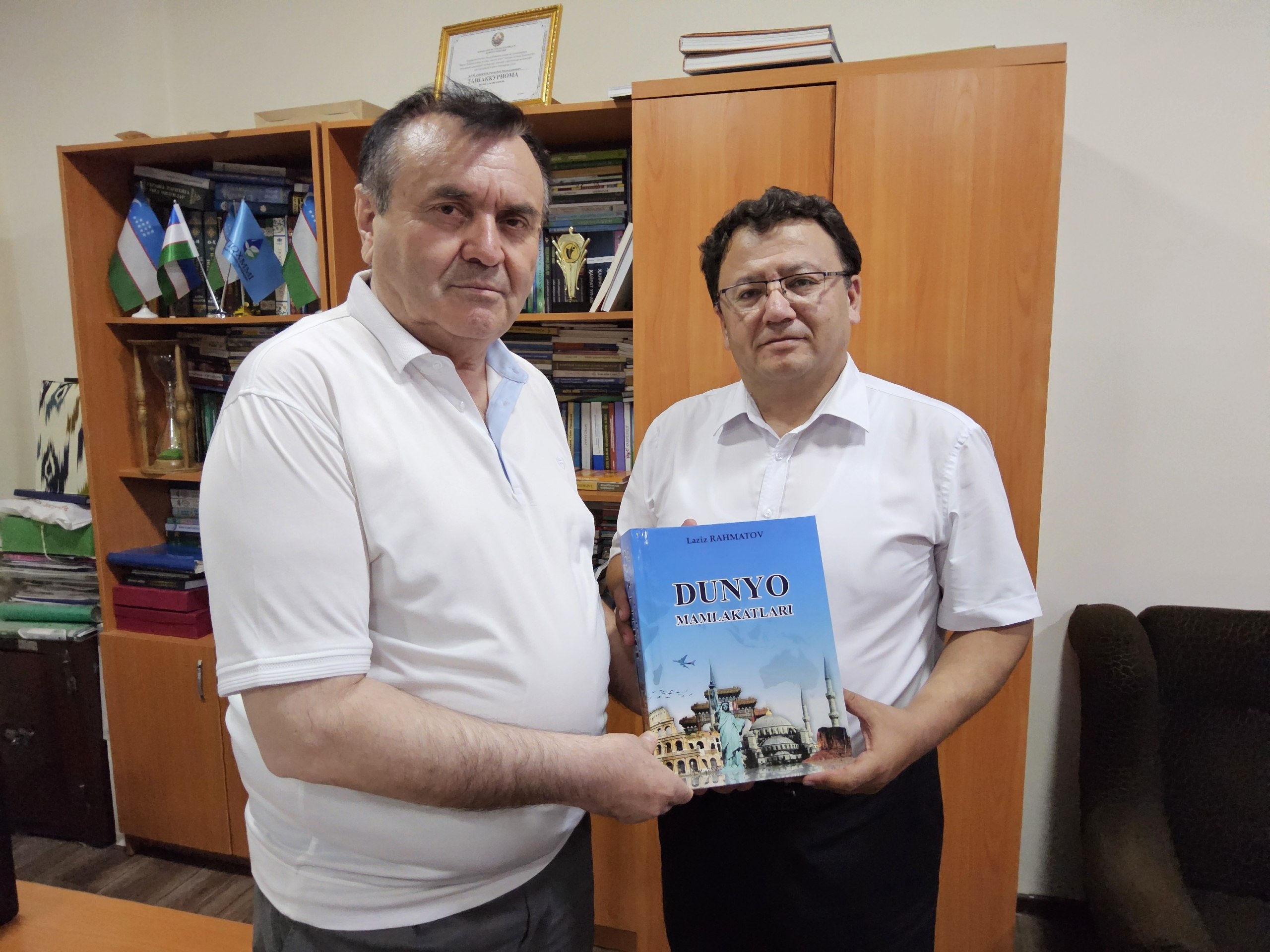
Viewed from this perspective, the monumental work Countries of the World, compiled by Laziz Rakhmatov, PhD in Political Science, accomplished journalist, translator, and playwright, deserves particular recognition. The book is far more than a conventional reference guide; through its depth of content, comprehensive scope, and scholarly as well as practical significance, it has earned the status of a genuine encyclopedic resource. The wealth of information it contains represents not only a collection of facts and statistics but also the culmination of the author's many years of research, analytical insight, and broad intellectual outlook.
The Need for the Book and the Significance of the New Edition
The growing demand for comprehensive and systematic reference works of this kind has been the primary driving force behind the publication of the third, substantially expanded and revised edition of Countries of the World. Compared with previous editions, the new publication has been significantly enhanced not only in terms of content but also in volume, reflecting the author's strong sense of responsibility and his commitment to continuously refining and updating the work.
Prepared following the previous edition published in 2019, this revised version is particularly valuable for its thorough analysis of recent developments in international relations, geopolitical transformations, and the evolving patterns of domestic development across the world's nations. As a result, the book's scholarly and practical value has increased considerably, making it an indispensable resource for understanding the contemporary world.
Equally important is the recognition that, in an era marked by rapidly changing political boundaries, evolving interstate relations, shifting economic alliances, and emerging geopolitical centers, static information is no longer sufficient. For this reason, the author has chosen not merely to supplement each new edition but to comprehensively revise and modernize it in accordance with the demands of the time. This approach ensures the publication's continued relevance and enduring value.
Content and Scope of the Publication
Published in 2026, this encyclopedic volume brings together comprehensive and up-to-date information on virtually every country in the world. It provides detailed coverage of each nation's geography, religion, population, political system, history, economy, and foreign policy, while also examining newly emerging political developments in the context of global instability and each country's bilateral relations with the Republic of Uzbekistan.
Such a broad and integrated approach elevates the publication beyond the scope of a traditional reference book, transforming it into a substantive analytical work. Information on individual countries is presented not in isolation but within the broader framework of global political and economic developments, enabling readers to better understand contemporary international affairs.
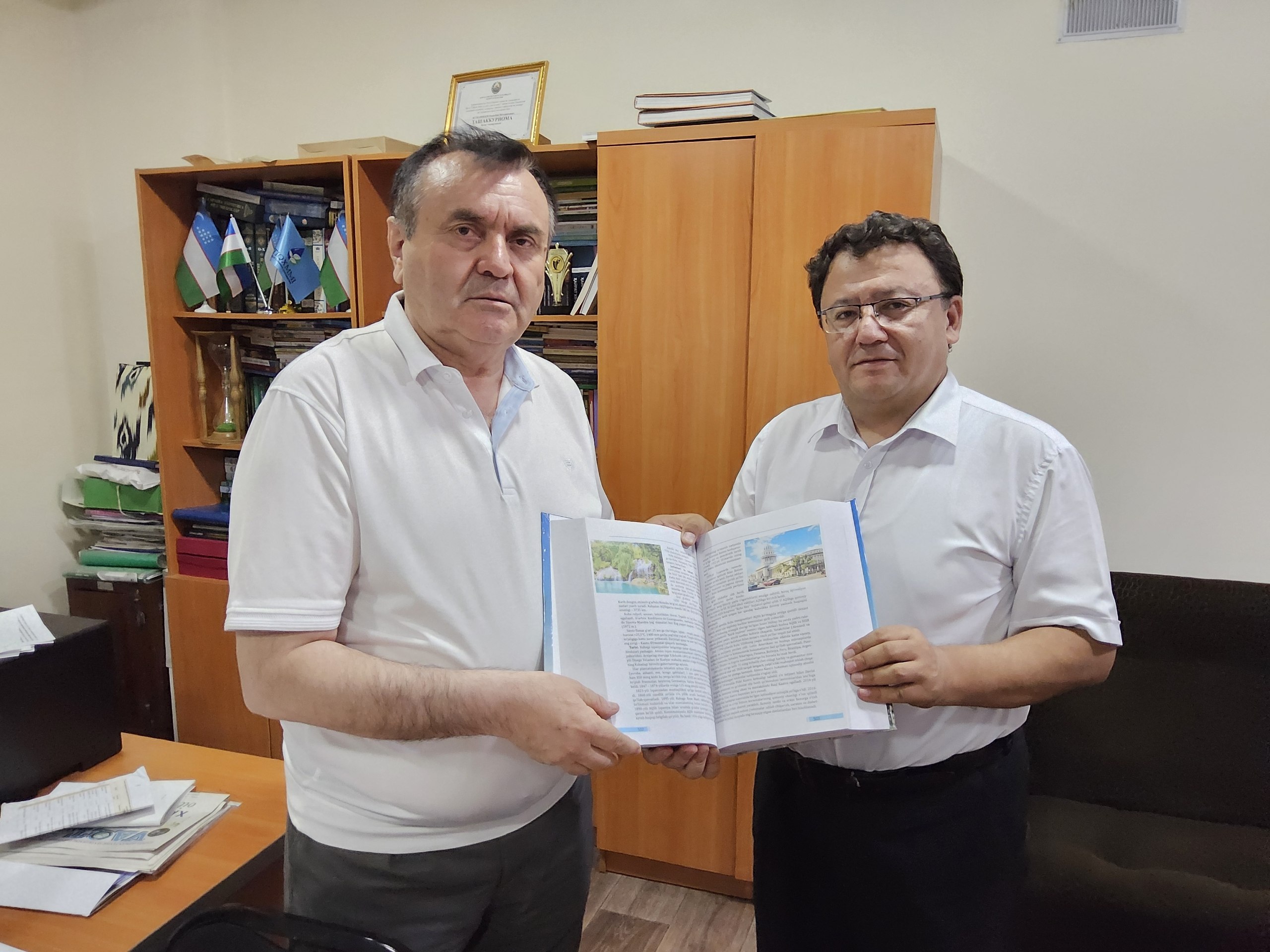
Comprising nearly 1,200 pages and arranged alphabetically, the publication covers 236 countries and self-governing territories. It is further enriched with almost one thousand full-color photographs, illustrating the remarkable effort, extensive research, and meticulous attention to detail invested in its preparation. In addition to textual information, the inclusion of photographs, national flags, and maps enhances readability and provides readers with a comprehensive visual understanding of the world.
Drawing upon Laziz Rahmatov's profound analytical perspective and extensive expertise, the publication offers readers systematic, reliable, and up-to-date information on the countries of the world. The author's academic background in political science, combined with his professional experience as a journalist and translator, has enabled him to consult sources in multiple languages, thereby ensuring the scholarly credibility and accuracy of this outstanding encyclopedic work.
Its Role in Education and Youth Development
It is particularly gratifying to note that, at the initiative of the Coordination Council of the Republic of Uzbekistan, efforts have been launched to distribute this publication to higher education institutions across the country. This initiative represents far more than the dissemination of a single book; it reflects the state's commitment to fostering systematic knowledge among the younger generation about world politics, international relations, and global developments. The presence of such an encyclopedic resource in university libraries will serve as a reliable source of knowledge for students, young researchers, and faculty members alike.
In this connection, the author of the book, Laziz Rahmatov, remaining true to the cherished mentor–disciple tradition, personally visited our university to present three copies of the publication to our esteemed Rector. This was more than a formal ceremony; it was a meaningful expression of academic continuity, mutual respect, and dedication to the pursuit of knowledge. The transmission of knowledge from mentor to student, and in turn from the student to society, forms an essential link in the continuous advancement of science and education.
Conclusion
In conclusion, Countries of the World is far more than a reference book. It is an important educational resource that contributes to broadening the worldview of the modern citizen of Uzbekistan, enhancing intellectual capacity, and deepening the understanding of international affairs. The systematic, reliable, and up-to-date information it contains makes it an invaluable source not only for specialists but also for the wider reading public. By bringing together the most essential information on the countries of the world in a single, well-organized, and comprehensive volume, the publication offers readers an authoritative and accessible guide to contemporary global affairs.
In this sense, the book deserves recognition not only as an encyclopedic reference but also as a significant educational work that promotes a deeper understanding of the modern world. There is every reason to believe that, thanks to Laziz Rakhmatov's tireless dedication, extensive research, and conscientious approach, this remarkable publication will continue to evolve and remain a trusted companion for readers, scholars, and the academic community of Uzbekistan for many years to come.