
Integration of artificial intelligence and water management: An Innovative irrigation system Is emerging in Tashkent Region
19.05.2026
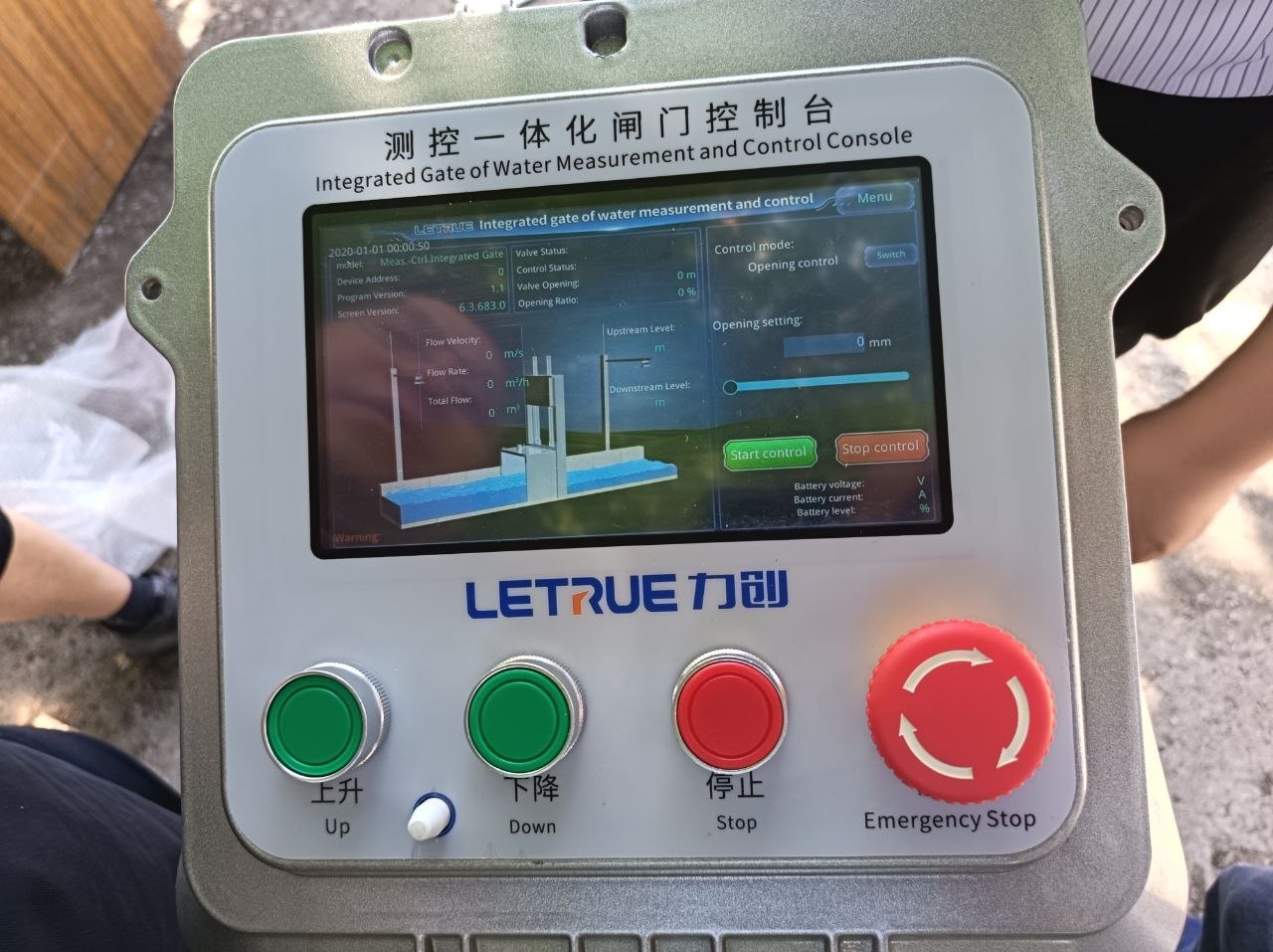
Within the framework of implementing Resolution No. PD-122 of the President of the Republic of Uzbekistan dated April 2, 2026, scientific research and practical activities being carried out in the field of water management in the Tashkent region, along with their preliminary results, were widely discussed by representatives of the scientific community. As part of the tasks outlined in the approved “Roadmap” under this resolution, projects financed by international financial institutions were reviewed, particularly practical initiatives aimed at introducing AI-based digital and intelligent irrigation technologies in Central Asia, as well as an analysis of their initial outcomes.
During the research and field observation processes, Luqmon Samiyev, scientific advisor to the Governor of Tashkent Region on agriculture and water management issues, professors, young researchers, and students of the Tashkent Institute of Irrigation and Agricultural Mechanization Engineers National Research University participated and exchanged views on innovative solutions and scientific-practical developments being implemented in the sector.
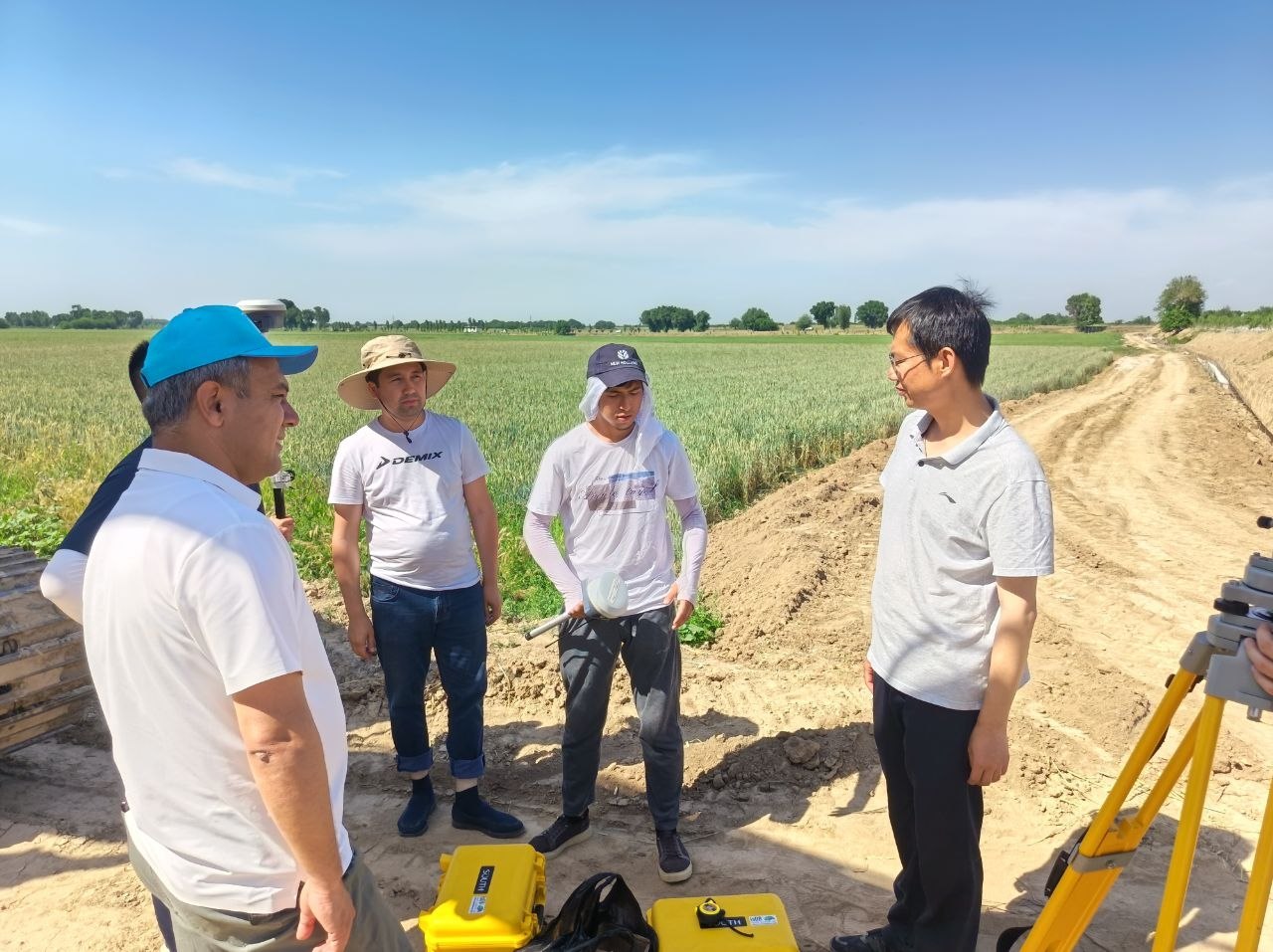
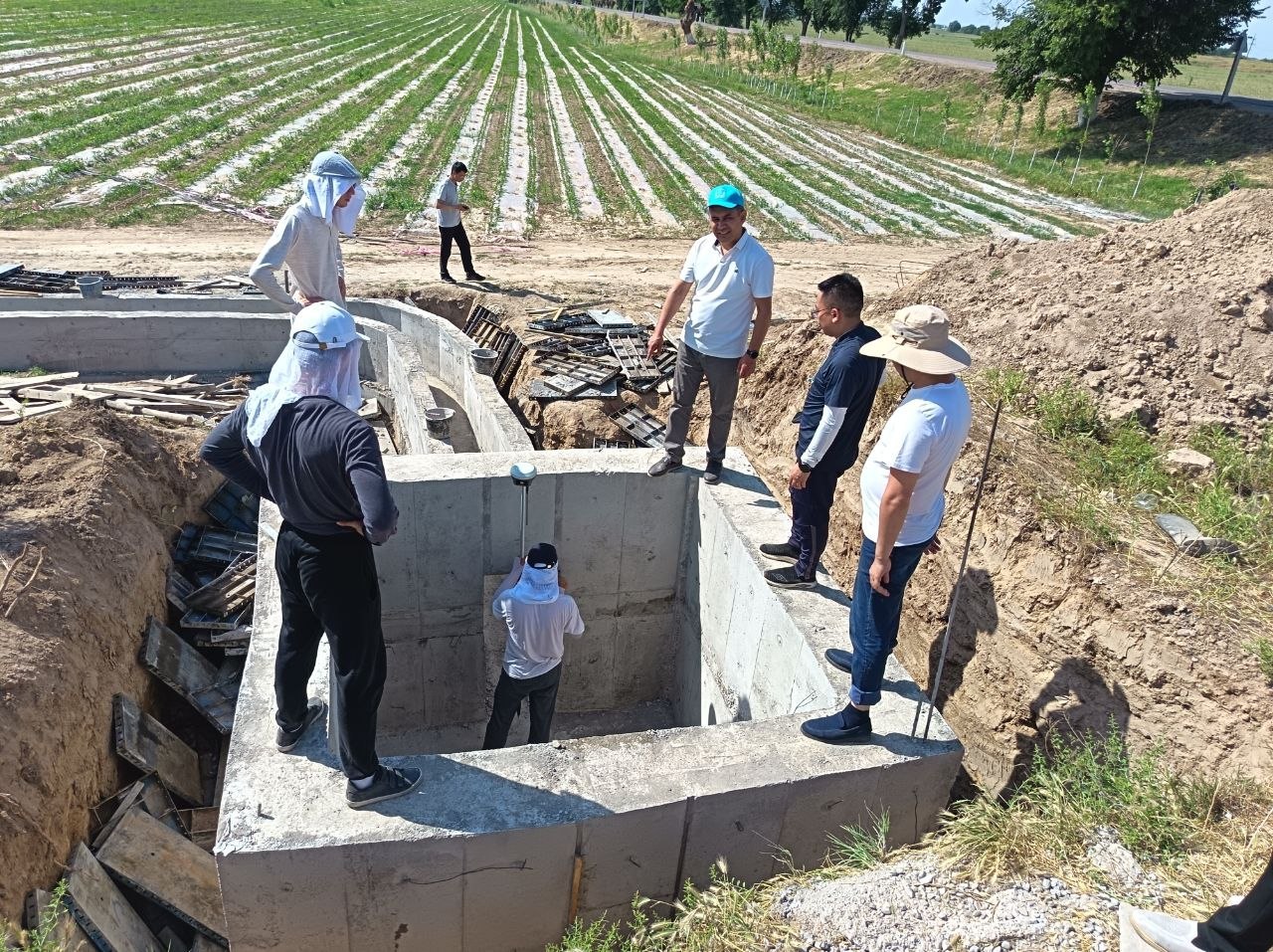
Within the framework of the practical investment project titled “Digital and Intelligent Irrigation in Central Asia (AI-Based Smart Irrigation),” implemented jointly by the Scientific Research Institute of Irrigation and Water Problems under the Ministry of Water Resources of the Republic of Uzbekistan and the Yellow River Engineering Consulting and Research Institute under the Ministry of Water Resources of the People’s Republic of China, field studies were conducted to scientifically and practically analyze the technical condition of hydraulic structures being constructed in Piskent district, their compliance with project and regulatory standards, and the accuracy of geodetic measurements.
Using modern GNSS technologies and high-precision geodetic equipment, engineering and technical parameters of the construction processes were analyzed, and scientific-practical as well as technical recommendations aimed at improving the efficiency of hydraulic structures were developed.
This practical-investment project, being implemented within the framework of the “One Belt, One Road” initiative by the Laboratory of “Modern Information Technologies and Water Resources Management in Water Management” of the Scientific Research Institute of Irrigation and Water Problems, is being established on a 10-hectare site in the Piskent district of Tashkent region.
The organization of field internships for students during scientific research and practical experiments carried out at this demonstration site serves as an important innovative scientific-practical model that strengthens integration between higher educational institutions and scientific research institutes.
The project’s outcomes will contribute to sustainably increasing agricultural productivity and ensuring food security in data-scarce regions such as Central Asia. These results offer optimization strategies and practical approaches for achieving the Sustainable Development Goals (SDGs) and support their implementation through 2030, while ensuring optimal allocation and operational management of water resources under climate change conditions.