
New Dimensions of International Cooperation
28.03.2026
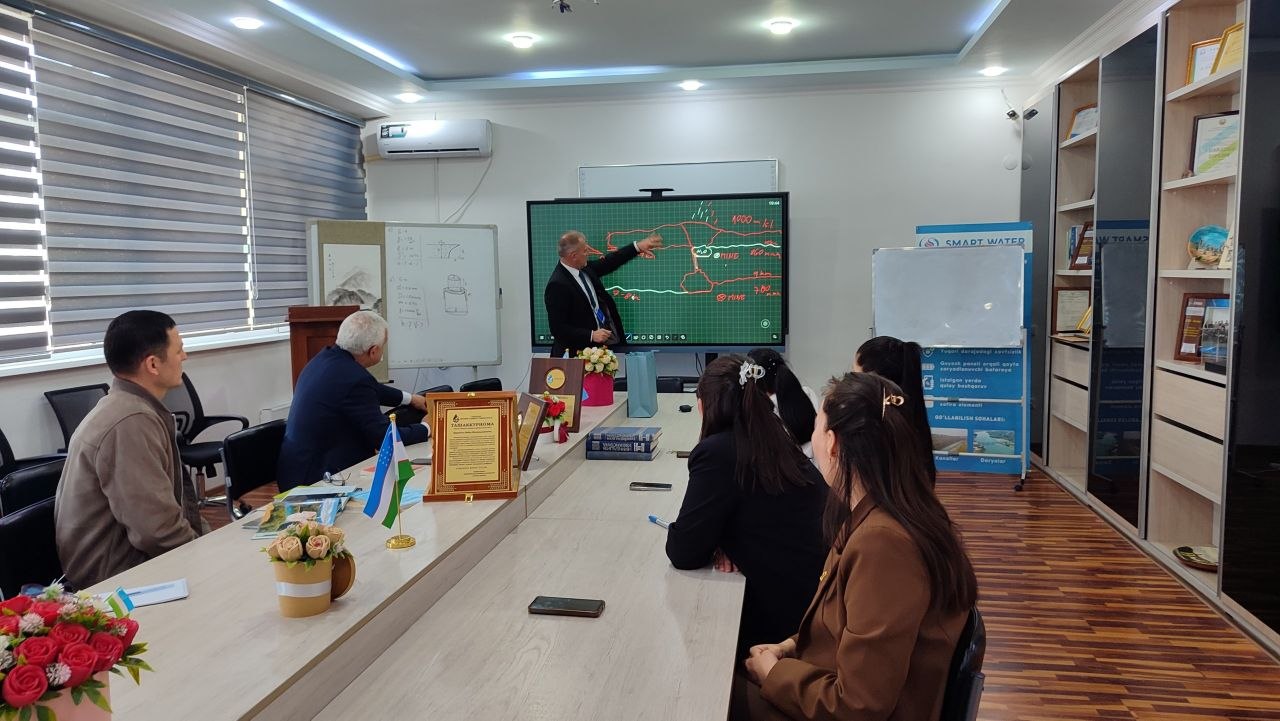
Recently, we all witnessed a landmark event the international forum “Tashkent Water Week.” As one of the organizers of this forum, our university team actively participated at a high level.
Within the framework of the forum, the President of Slovak Water Management Authority, Masros Nikolaj, who visited our country, became closely acquainted with the university’s activities in training specialists in the water sector.
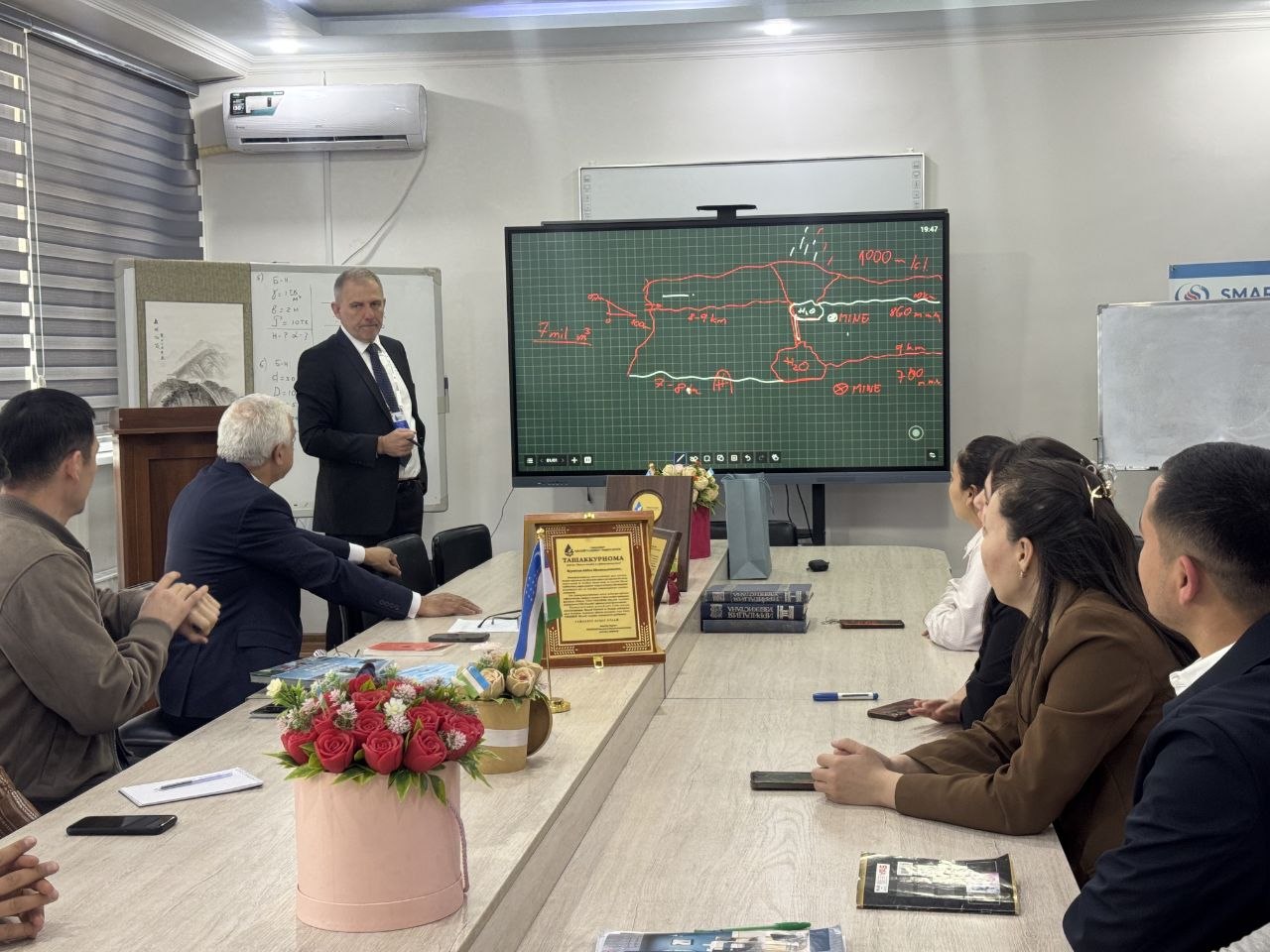
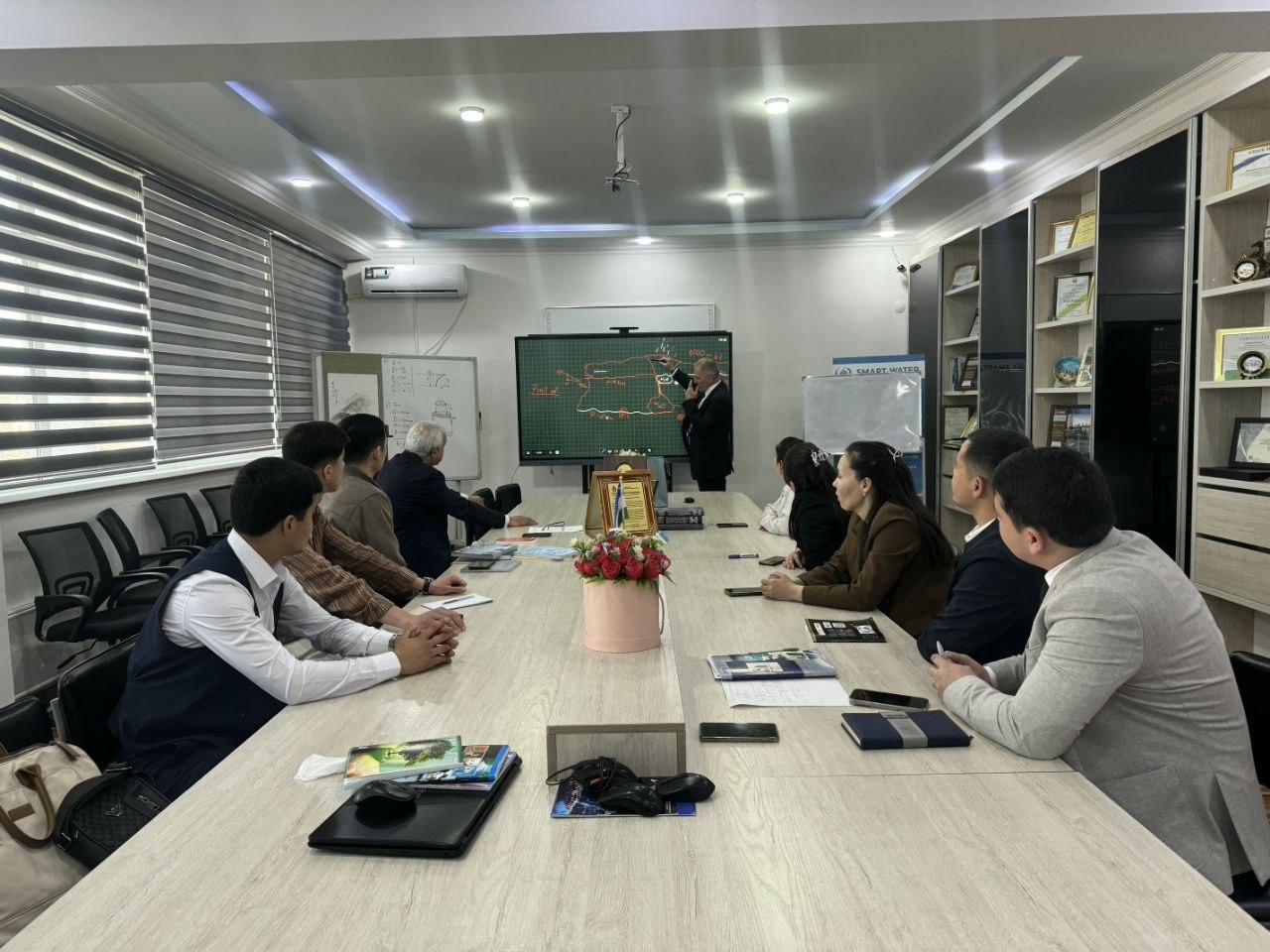
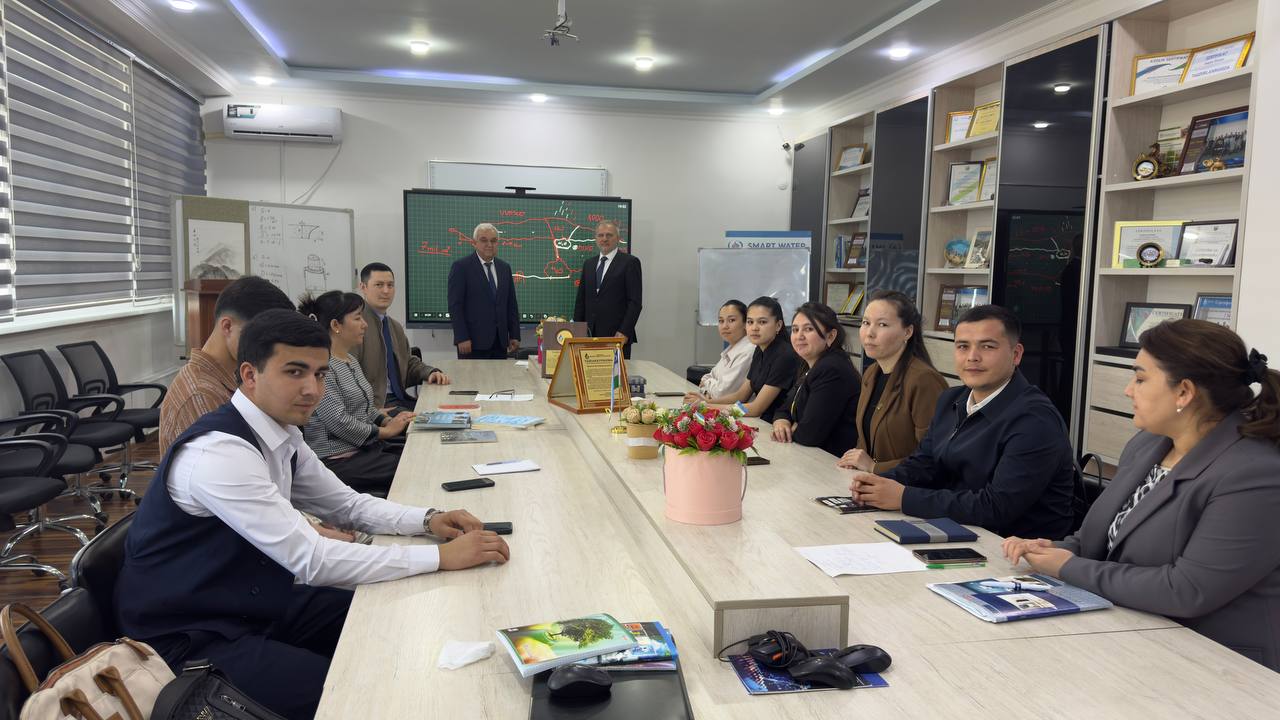
In order to further expand cooperation, Masros Nikolaj held a roundtable discussion with professors, doctoral candidates, and master’s students of the “Hydraulics and Hydroinformatics” department. During the discussion, key issues such as the rational use of water resources, recent scientific achievements in the field, modern water-saving technologies, water resource management, and digital hydroinformatics were thoroughly explored.
The minister also provided detailed information about the current state of water resources in Slovak Republic, mechanisms for their efficient use, and major infrastructure projects being implemented. In particular, special attention was given to the Gabčíkovo Hydropower Plant complex, its importance in the Danube River basin, and its role as one of the largest hydrotechnical structures in Europe.
Additionally, the minister shared interesting insights about the historic reservoir system located in the city of Banská Štiavnica, including its hydrotechnical solutions and its continued practical relevance today. It is known as one of the most unique water management systems in Europe. He also delivered a presentation on technologies for the efficient use of rainwater.
The meeting was held in a dynamic, meaningful, and interactive atmosphere. Participants and young researchers received detailed answers to their questions.
The lecture delivered by a minister from a European Union country at the department not only strengthened international scientific dialogue but also marked an important step toward learning from advanced foreign experience in water resource management and applying it in practice. It opened new dimensions for international cooperation.
Furthermore, this visit created a solid foundation for expanding scientific collaboration between scholars of the two countries, including the development of joint research projects and academic exchange programs.